
6 hours·English
4.8(7,079)
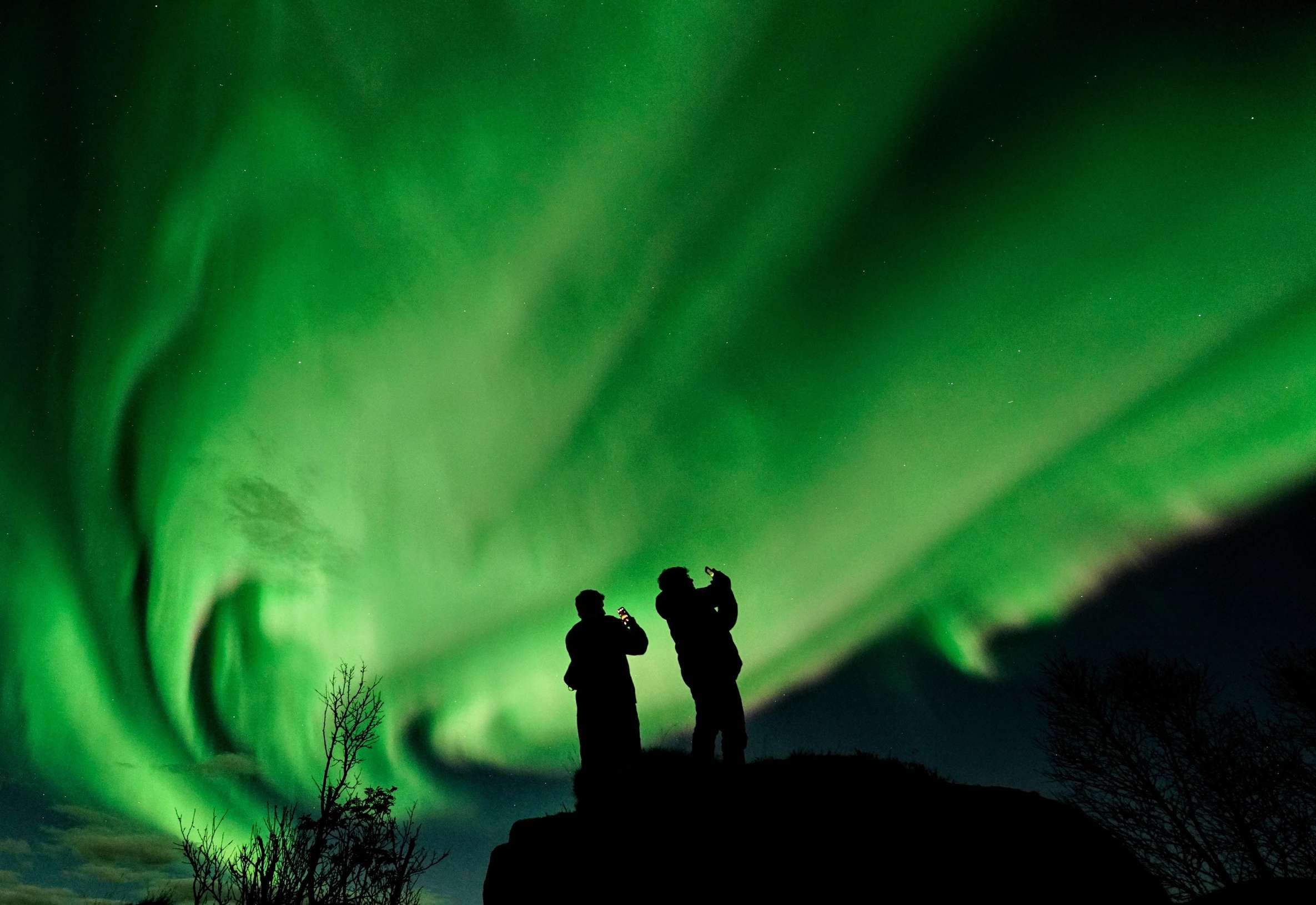
Tromsø: Northern Lights Tour with Minibus, and Free Photos.
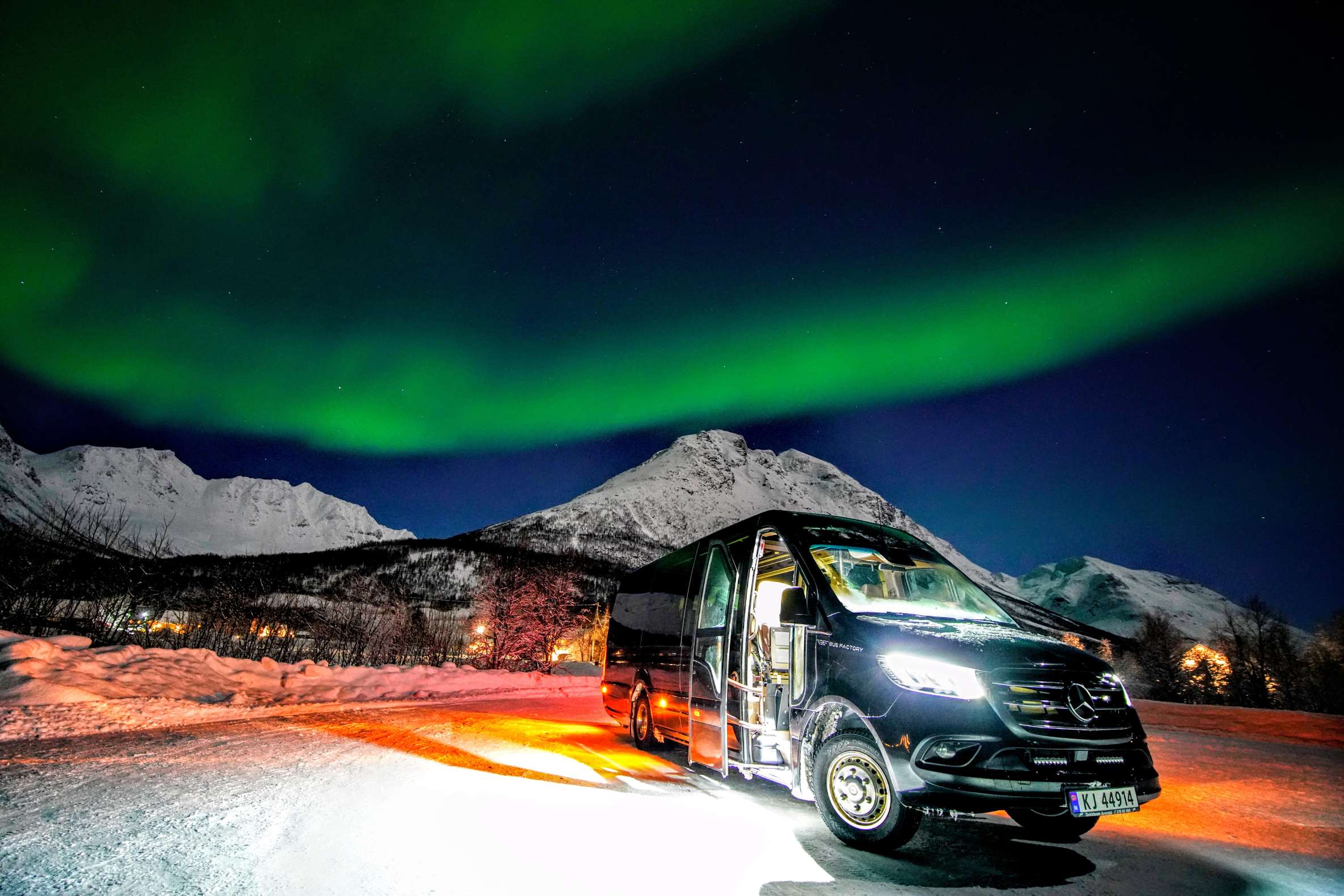
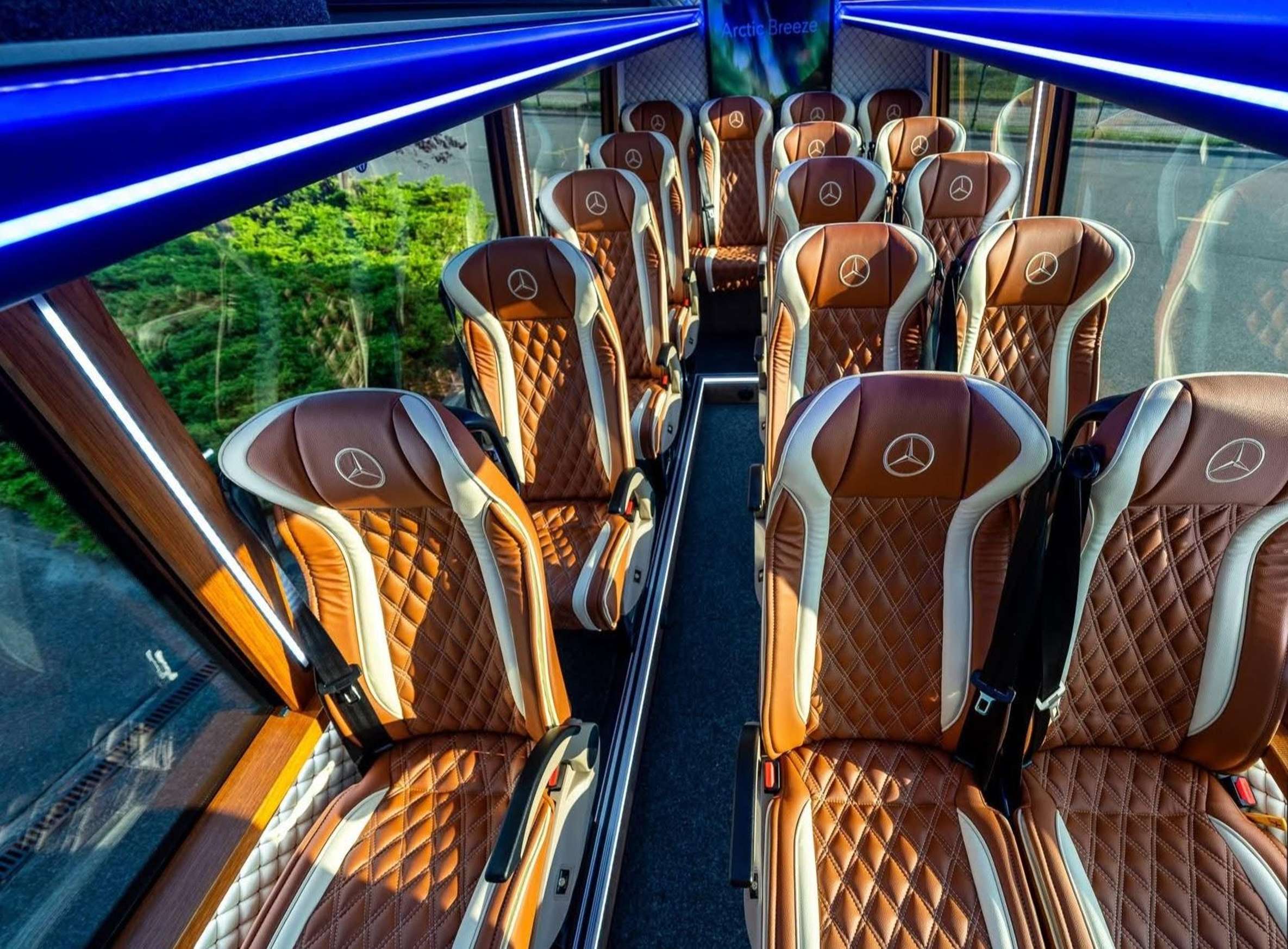
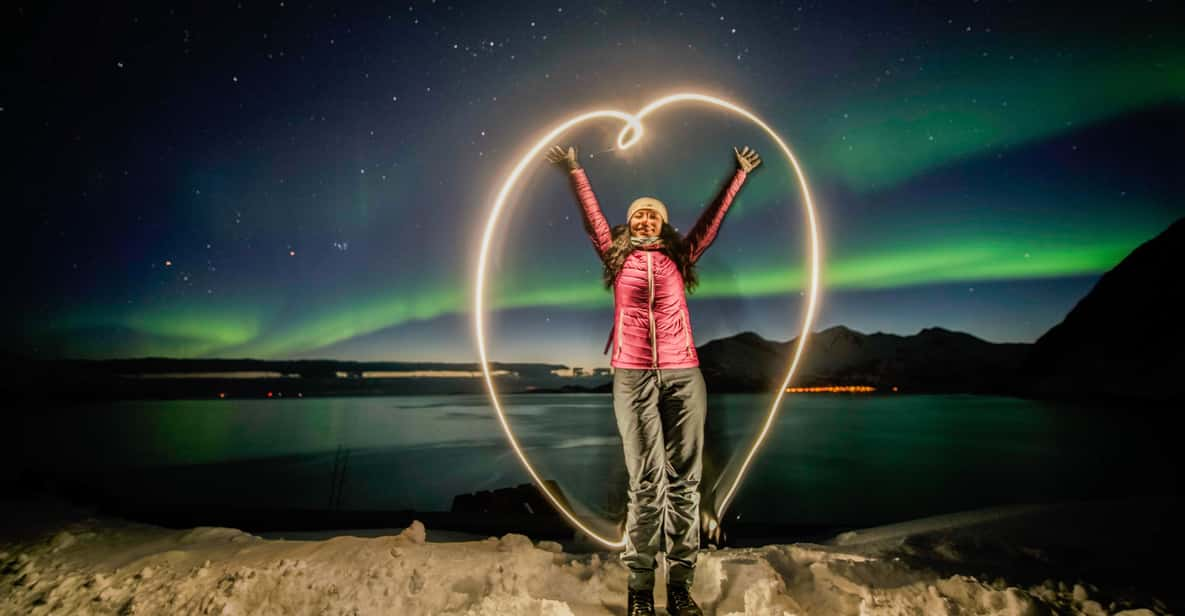
Professional portraits and photos.Thermal suits and hot drinks providedBrand-new, high-end Mercedes-Benz vehicles
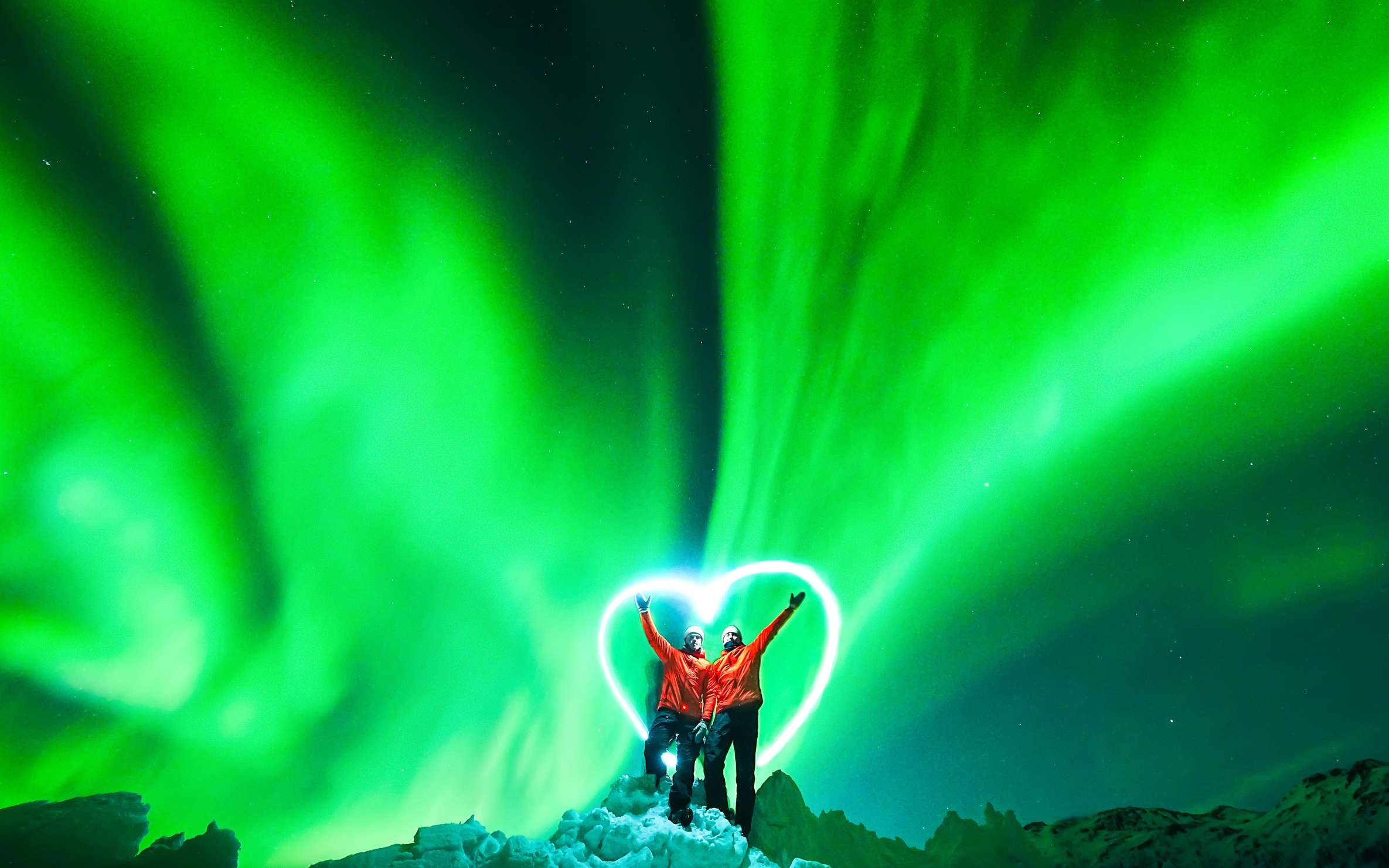
Pick your dates with confidence, then chase the aurora with guides who drive to clear skies. Local guides track satellite cloud data and cross into Finland or inland valleys when the coast is cloudy, and every chase includes thermal suits, campfire hot drinks, and free professional photos. Choose your month and lock in your night.
"Amazing! We actually saw the northern lights! Vinjar was a fantastic guide, helped us get so many spectacular photos and knew all the best spots. Honestly a core memory for life."
sept tours include a free retry next day
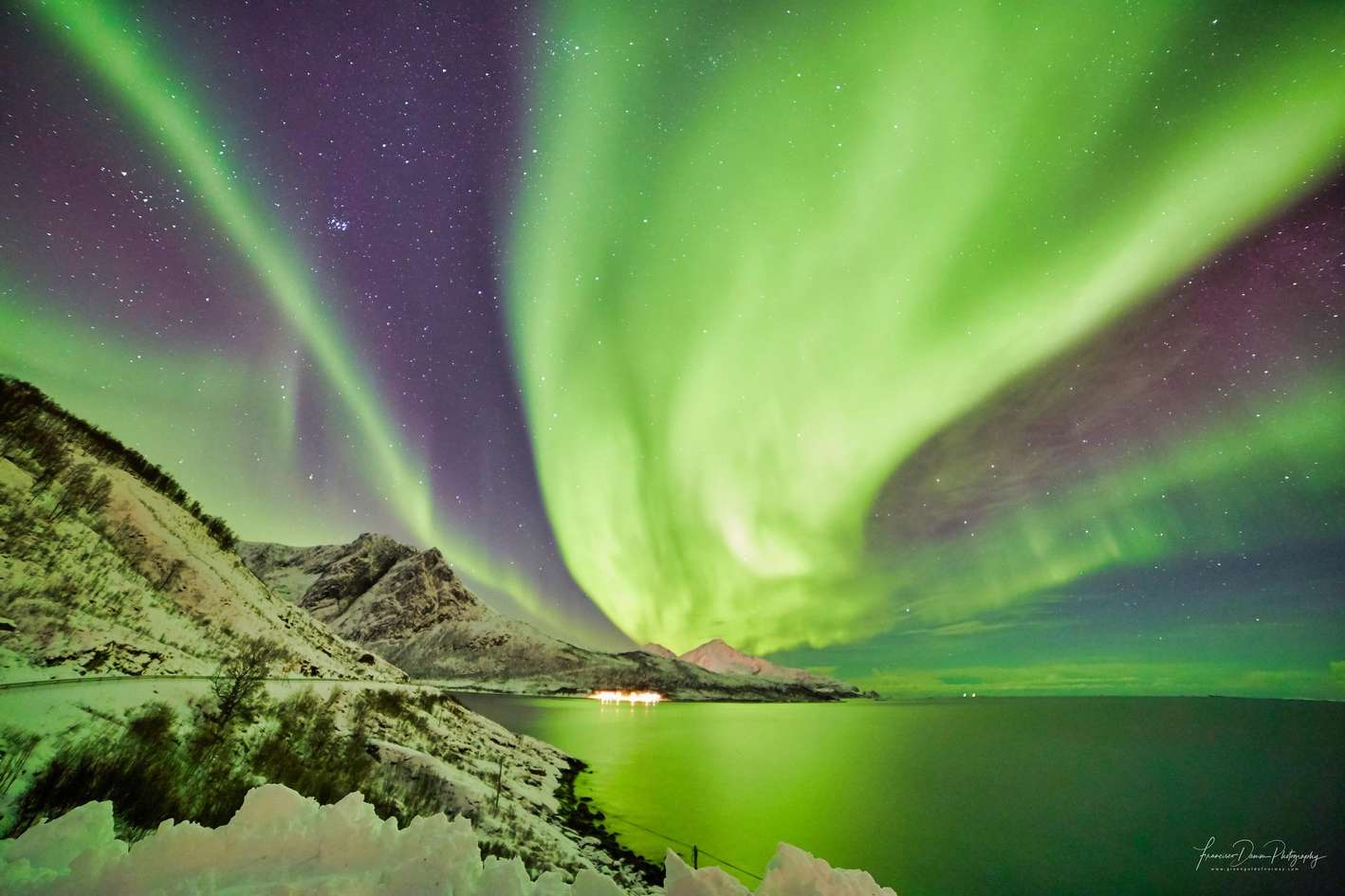
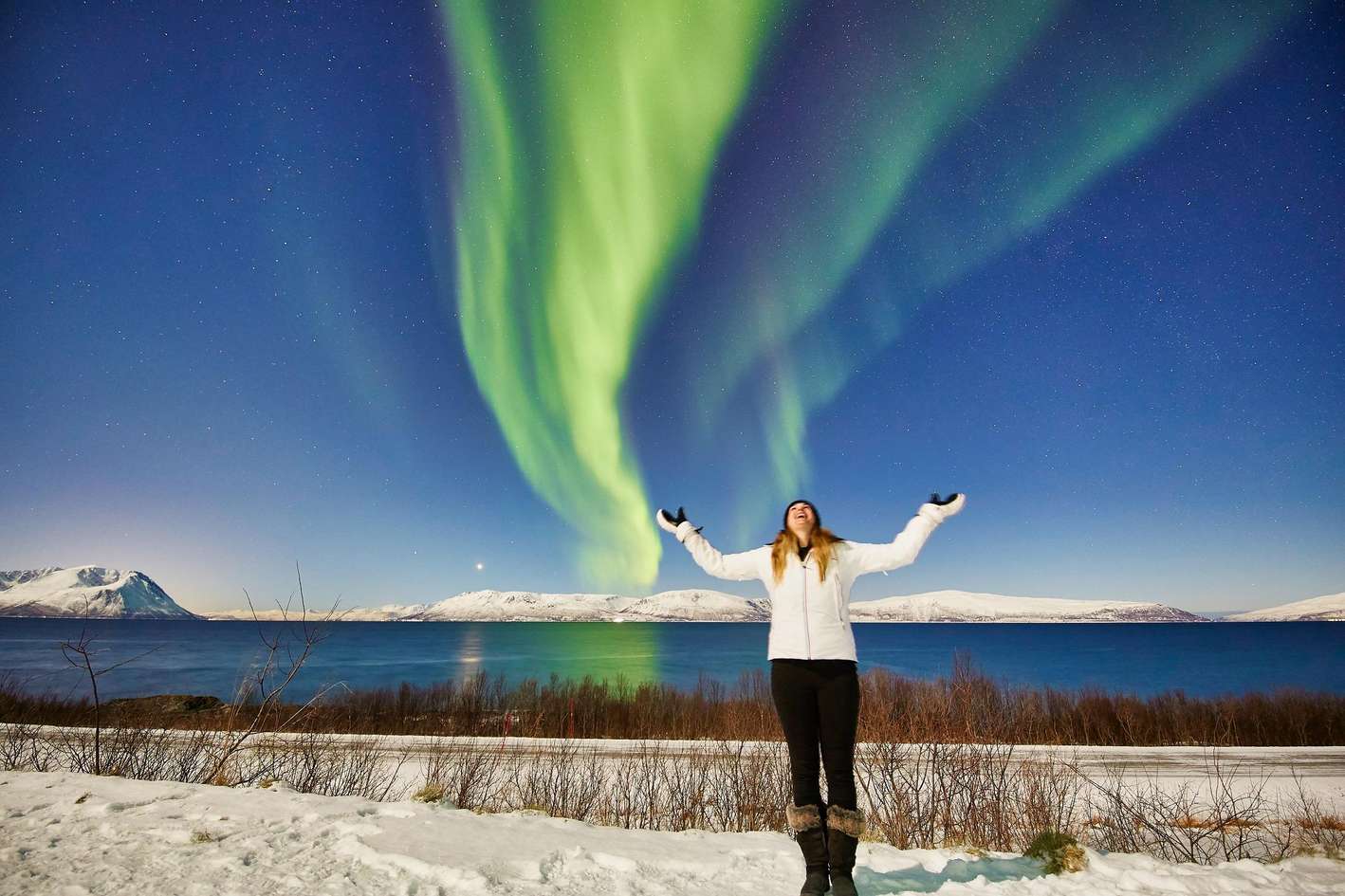
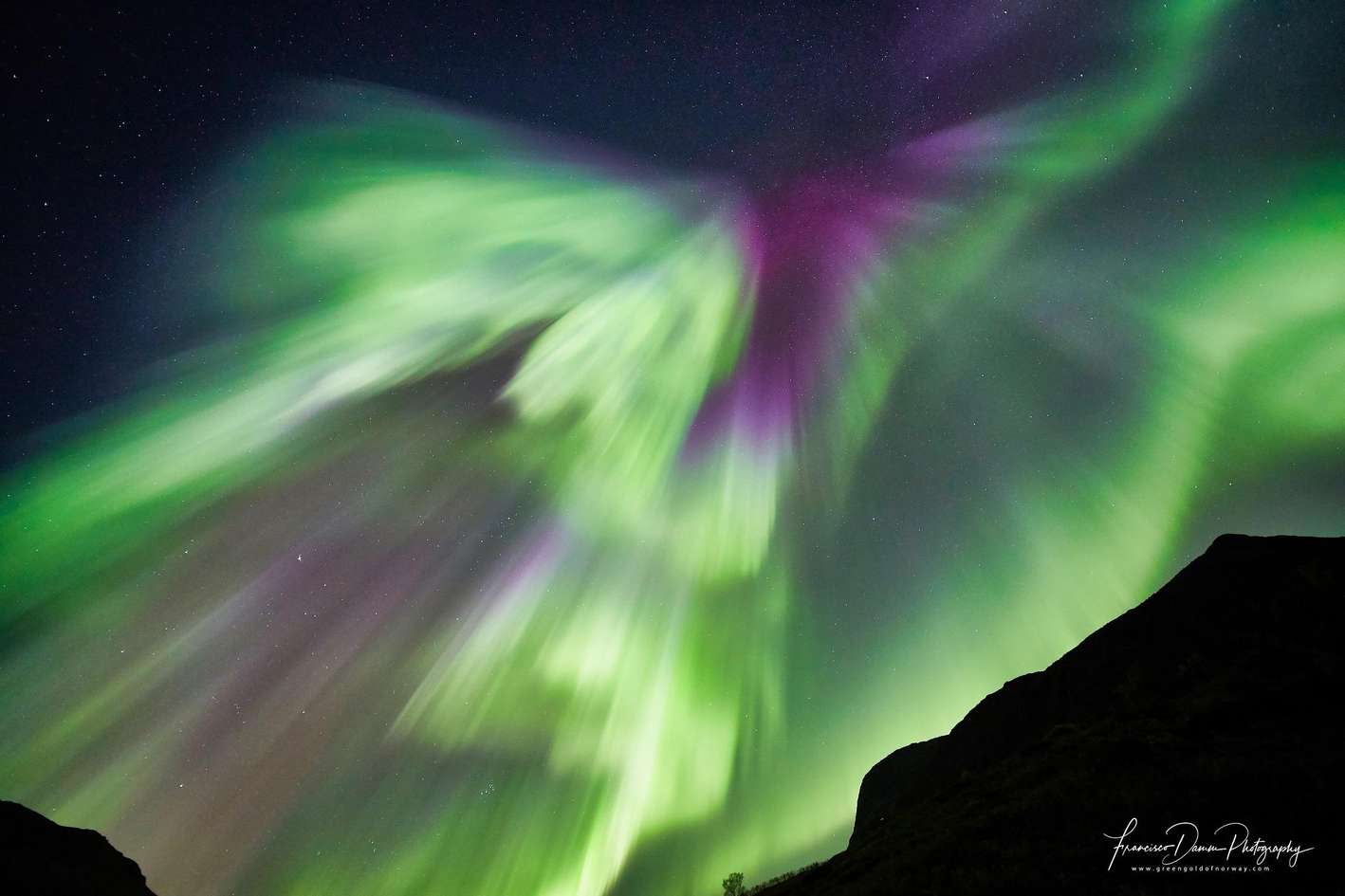
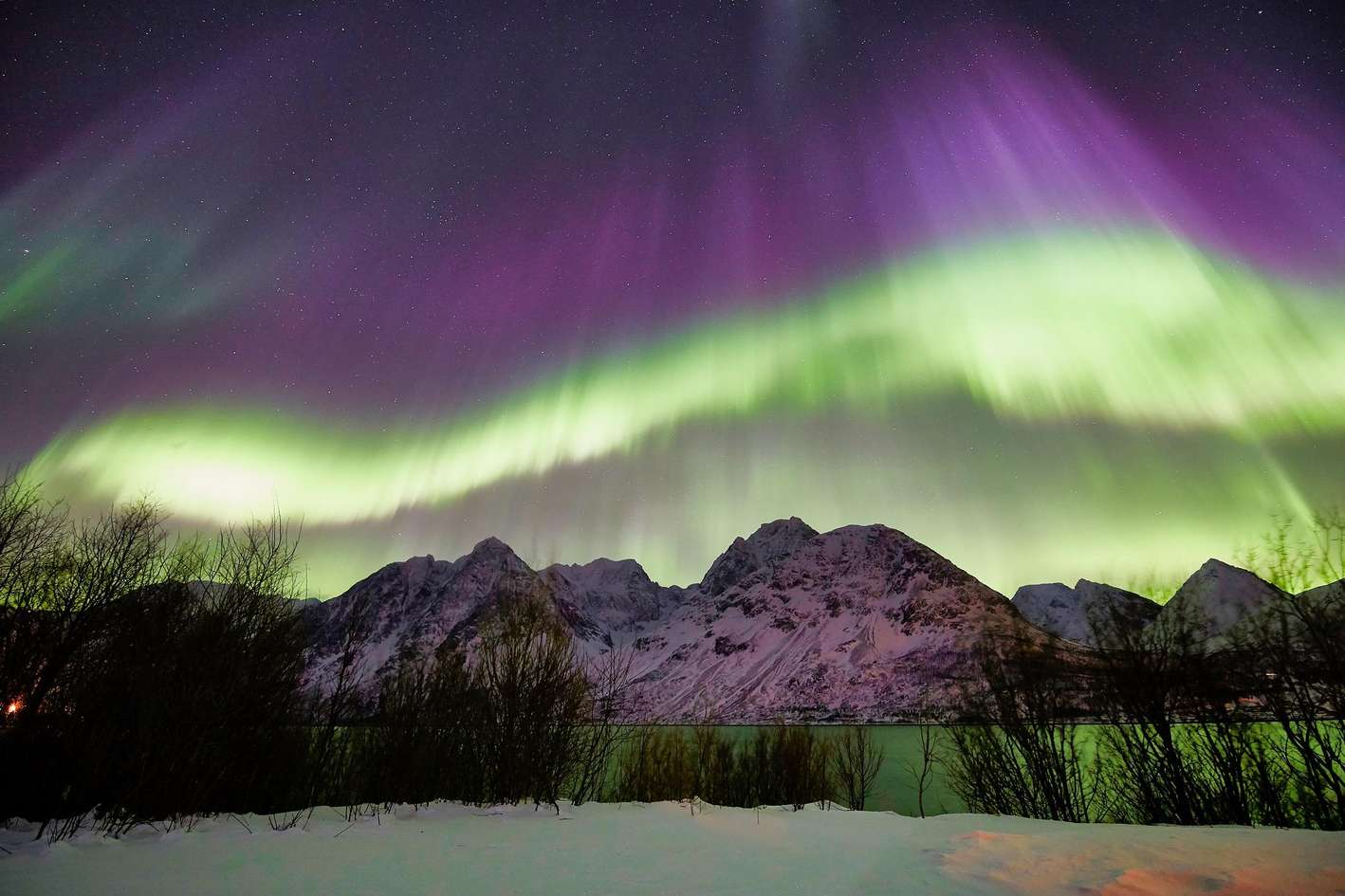
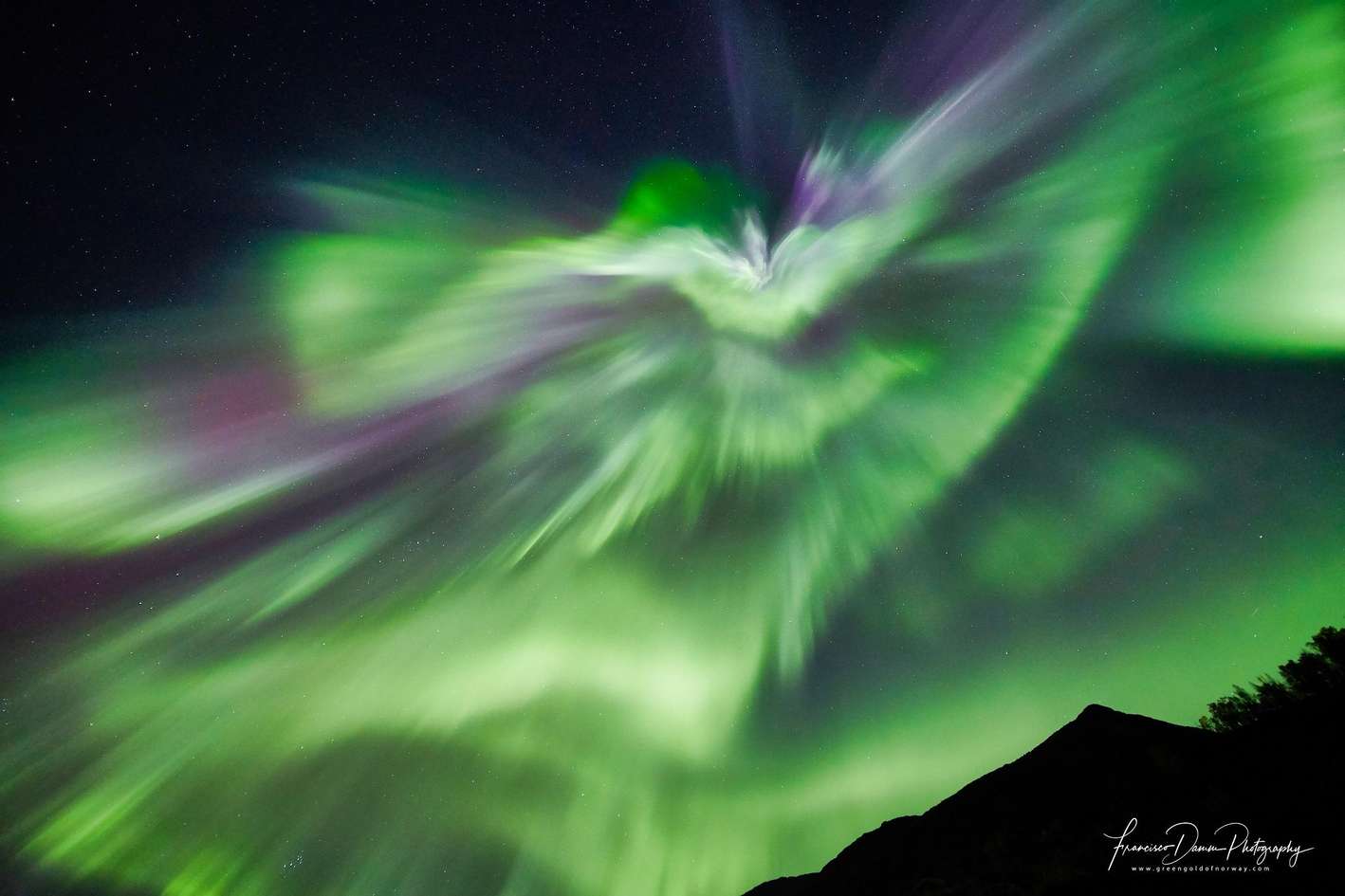
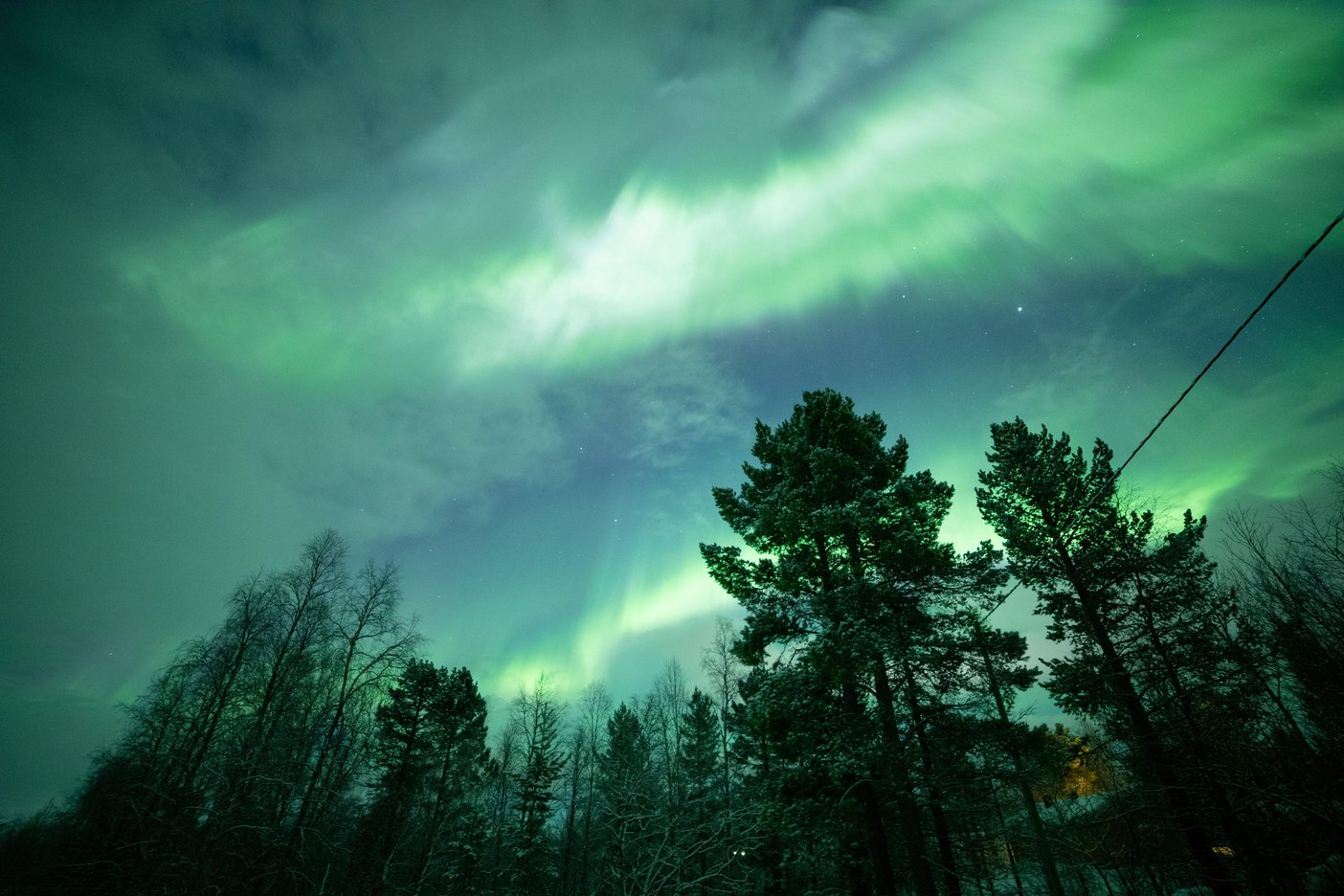
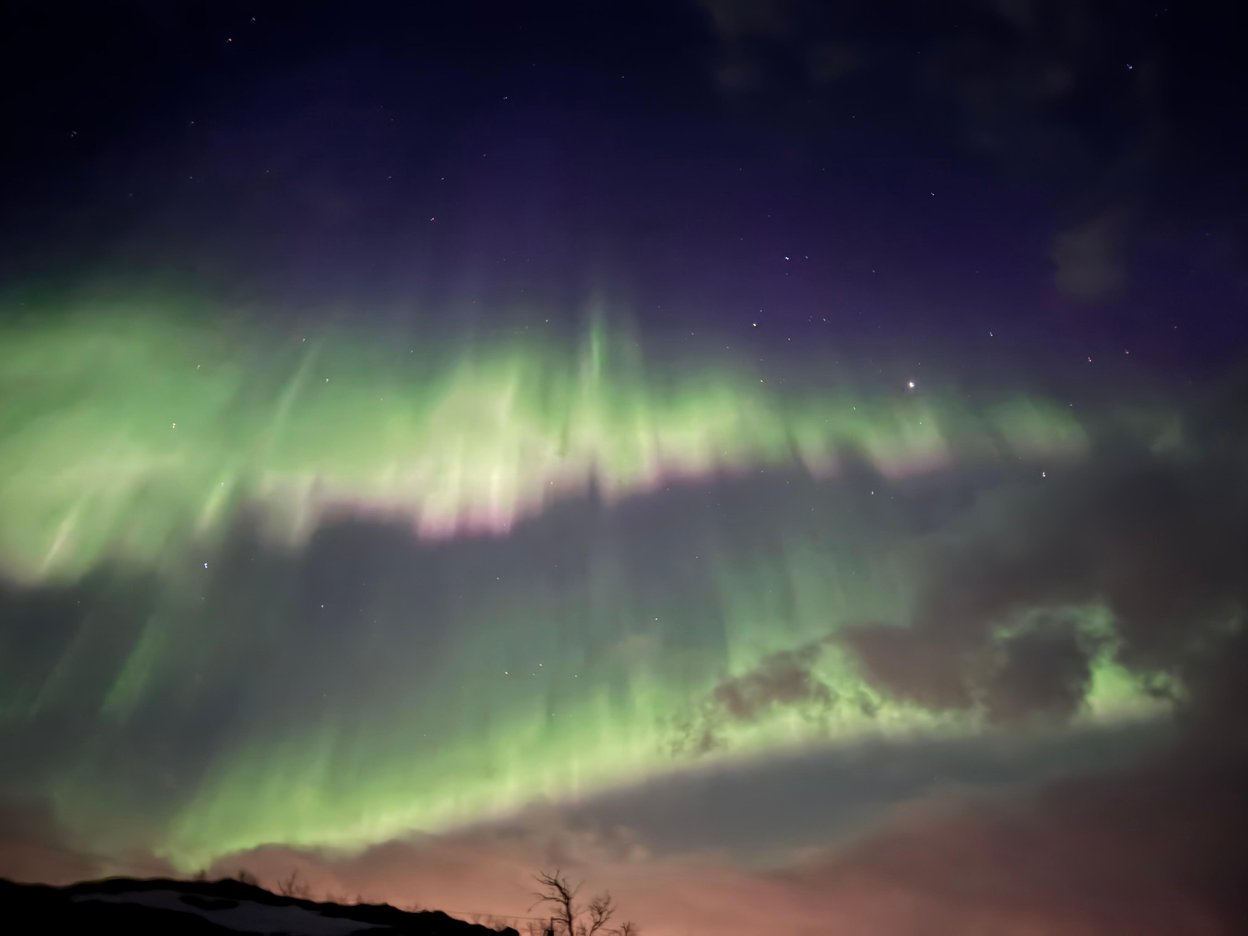
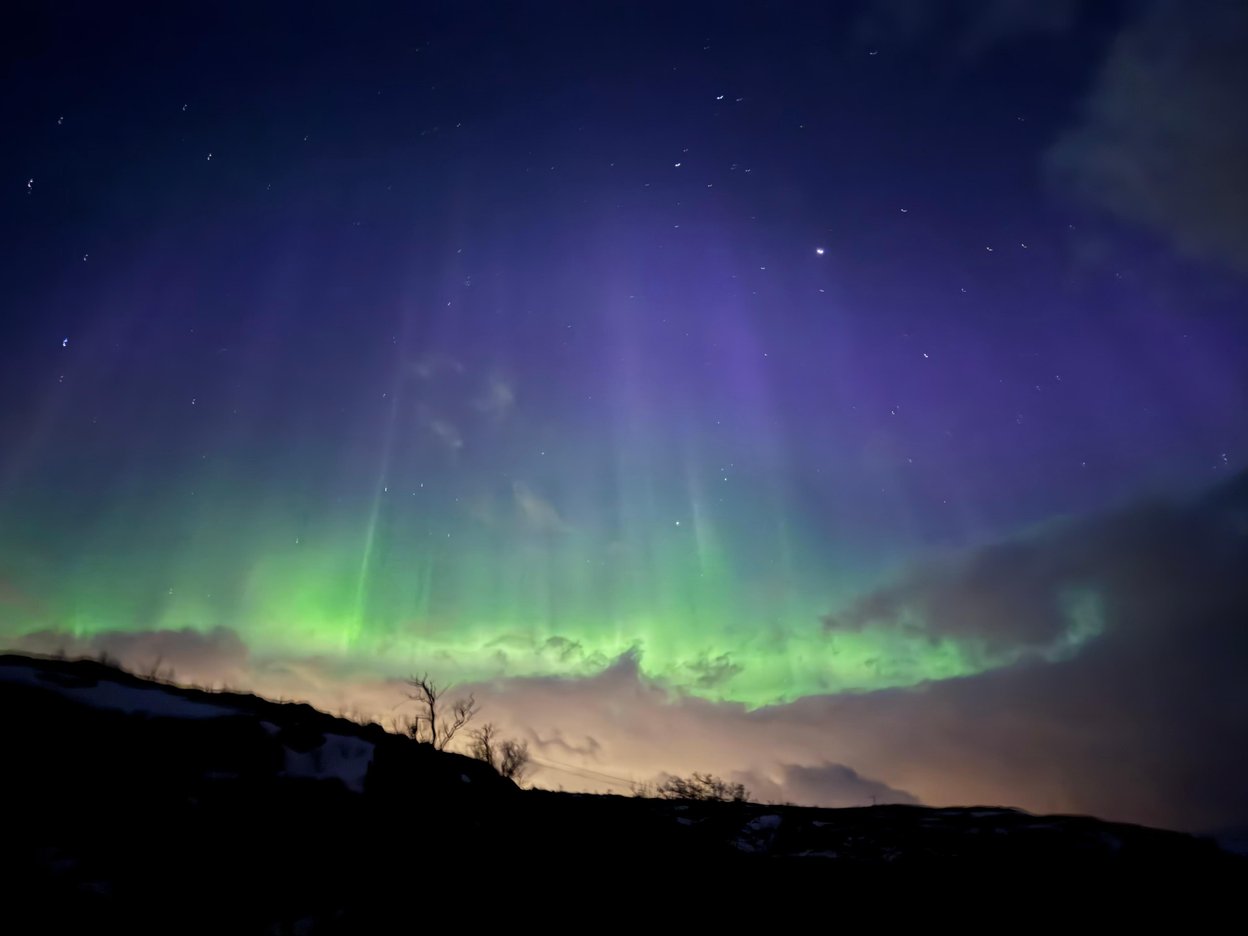


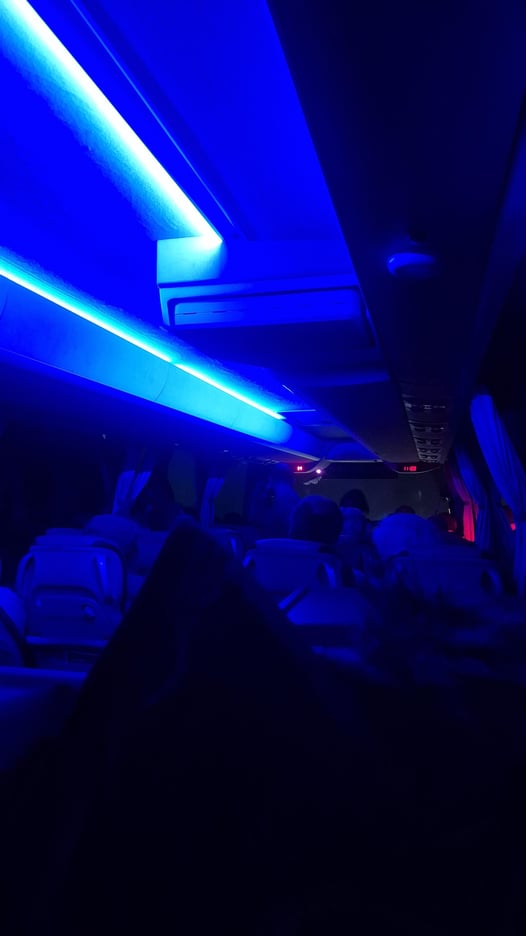
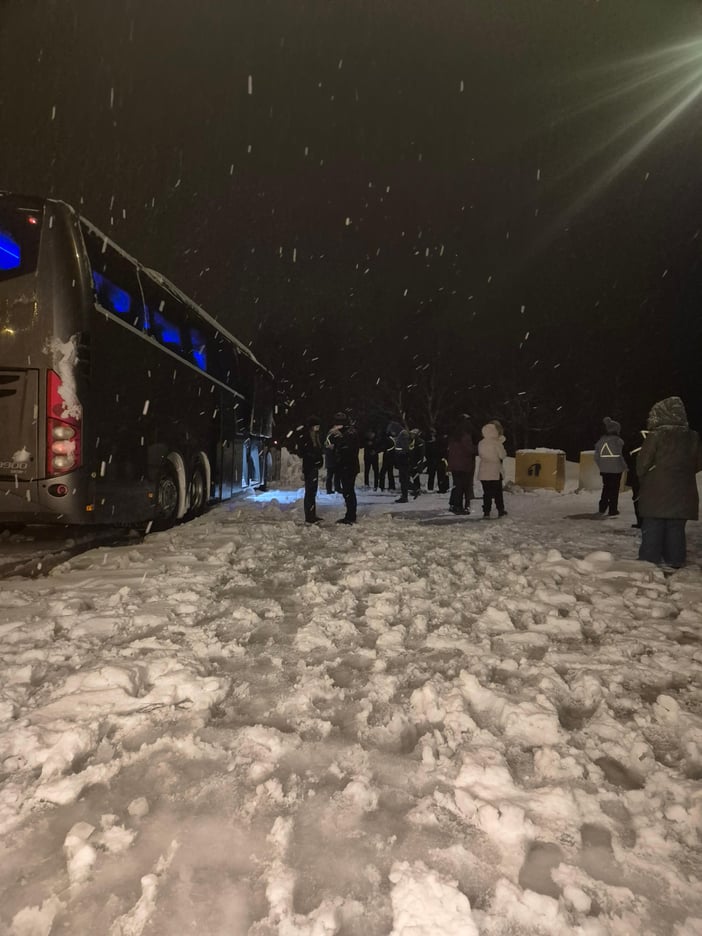
chases drive up to 250 km inland
Tours leave every dark night between September and April, and the clear sky you need may sit an hour inland on any given evening. This guide settles which month fits your priorities and how to hedge the weather once your dates are set.
The season runs late August to mid-April, with guided tours operating every night from 1 September to around 14 April.
December and January give up to 16 hours of darkness but almost no daylight for anything else; February and March split the difference best.
Tromsø town itself averages only 2 to 4 clear dark nights a month in deep winter, while valleys and the Finnish border within driving range offer 13 to 16.
Equinox months, September and March, bring a small boost in geomagnetic activity, and a full moon does not spoil a strong display.
December and February sell out months ahead, so book hotels and chases the moment your flights are set.
Check your travel documents before the tour departs: EU and Schengen citizens can use a passport or national ID card, while travelers from outside the Schengen area need a passport. Pack it in an inside pocket where it stays dry and warm.
Darkness is the only gatekeeper. The aurora needs a black sky, so the season opens in late August, tours run nightly from 1 September, and the last departures go out around mid-April. There is no official opening day, and nobody stamps a closing date on the calendar.
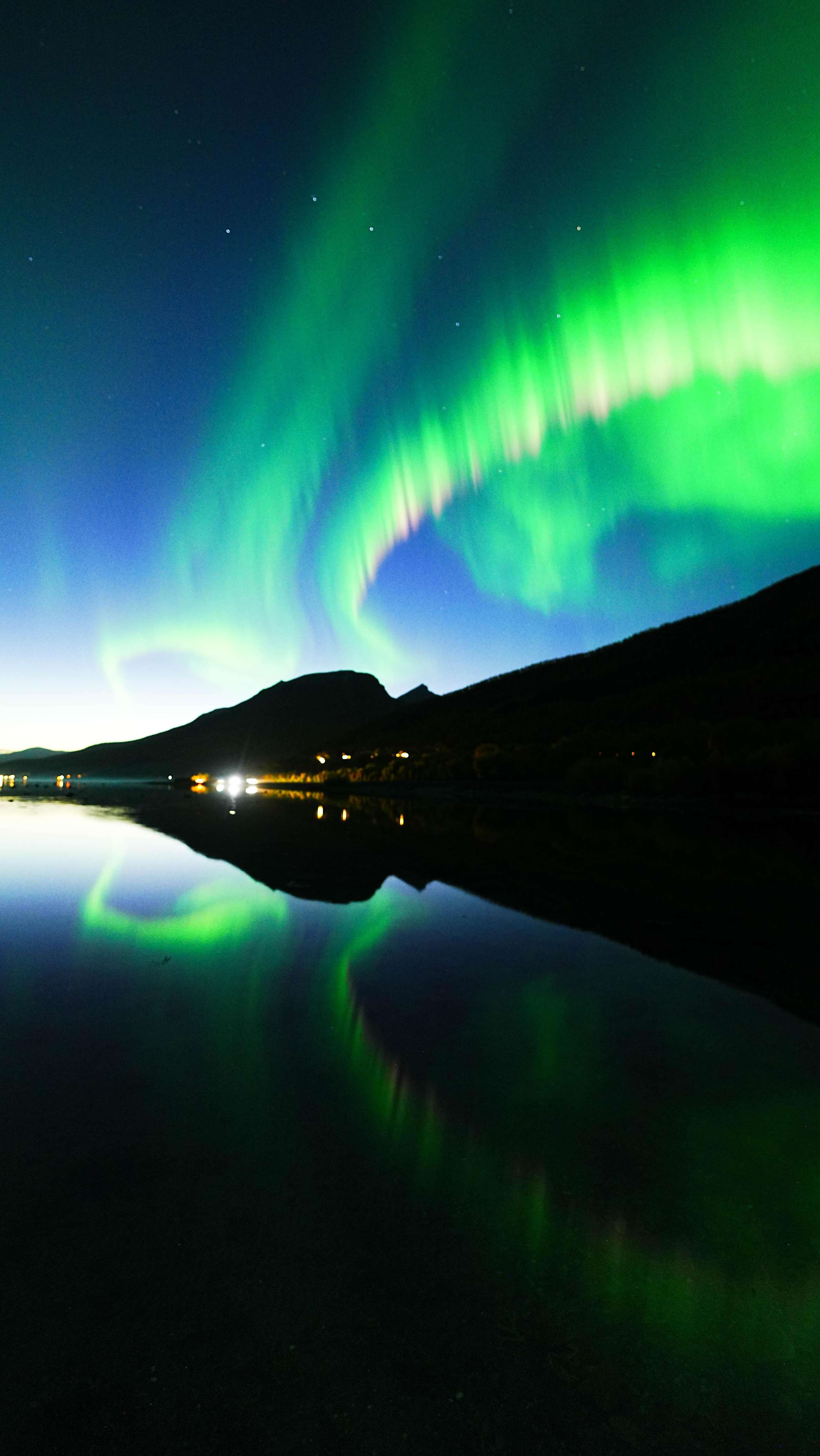
September is a quiet, underrated month: 5.5 hours of full darkness a night, 13 hours of daylight left for sightseeing, and the clearest skies of the whole season in town, an average of 6.7 clear dark nights.
Bookings sit at their lowest, so minibuses have space and the fjords still hold open water that mirrors a display.
By April the balance tips the other way: daylight stretches past 16 hours and full darkness shrinks to about an hour, which is too little for a proper chase.
January: 5 out of 5 for how busy it gets. Very busy with polar night darkness, heavy snowfall, and roughly 13 clear nights accessible within driving reach.
Tap a month to read it.
September: 6.7 clear dark nights. The aurora season begins with mild autumn weather and Tromsø's highest local clear-night frequency of the year.
Tap a month to read it.
December: 16 clear dark nights within 75 km. Packed with holiday travelers, offering 16 hours of daily darkness and 16 clear nights accessible across inland microclimates.
Tap a month to read it.
December: 18 dry days. Packed with holiday travelers, offering 16 hours of daily darkness and 16 clear nights accessible across inland microclimates.
Tap a month to read it.
February: 90% cloud cover. The busiest month of the season, featuring lengthening daylight and frequent clear nights when driving to inland microclimates.
Tap a month to read it.
In town, the clear nights cluster in September and October, while December and January fill the booking calendar. Within driving reach, though, every winter month offers more than a dozen clear-sky windows, and that is the number that decides your night.

From around 27 November to 15 January, the sun never climbs above the horizon at all. December gives you 16 hours of full darkness and zero daylight; January still holds about 15. The aurora window is enormous.
The catch sits on the other side of the clock.
Daytime becomes a few hours of blue twilight around midday, enough for whale boats that sail out between 7:30 am and 9 am to reach the fjords in the light, and for dog sled teams that leave around 8 am with headlamps in the sled bag. Sightseeing happens in half-light or not at all.
This is the month for people who came for the dark. If you want fjord photos in daylight alongside your aurora nights, the polar night will frustrate you. If you want the longest possible canvas of black sky, it is unmatched.
One practical note from the shoulder weeks either side: late autumn brings freezing rain and sleet before stable snow arrives, and the pavements downtown turn to polished ice. Slip-on ice grips over your boots save the walk to the bus stop.
For this reader the trade is simple: those dates buy the longest dark canvas and cost most of the daylight sightseeing. Plan polar-night days around the midday twilight, and treat anything else as a bonus.
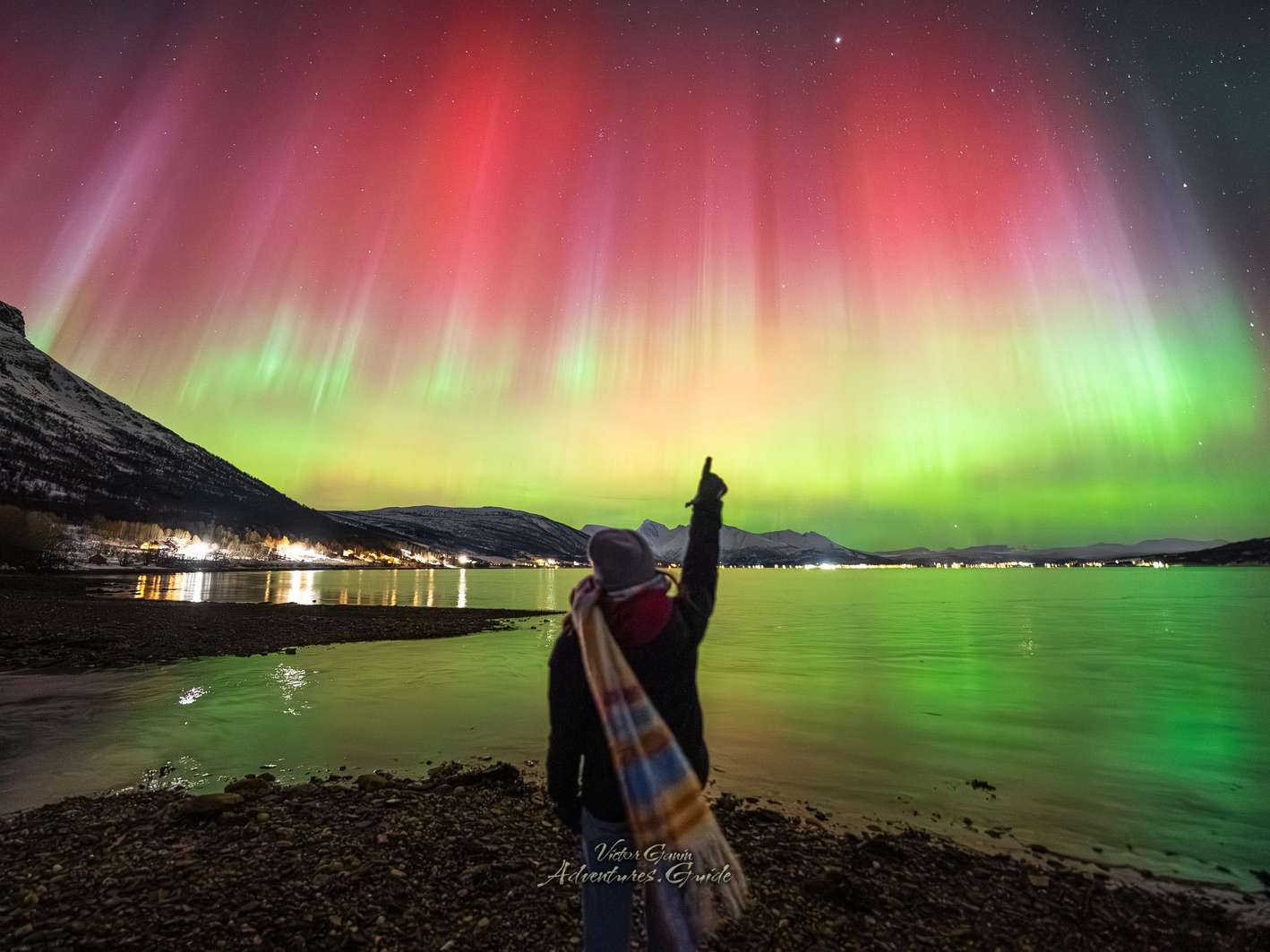
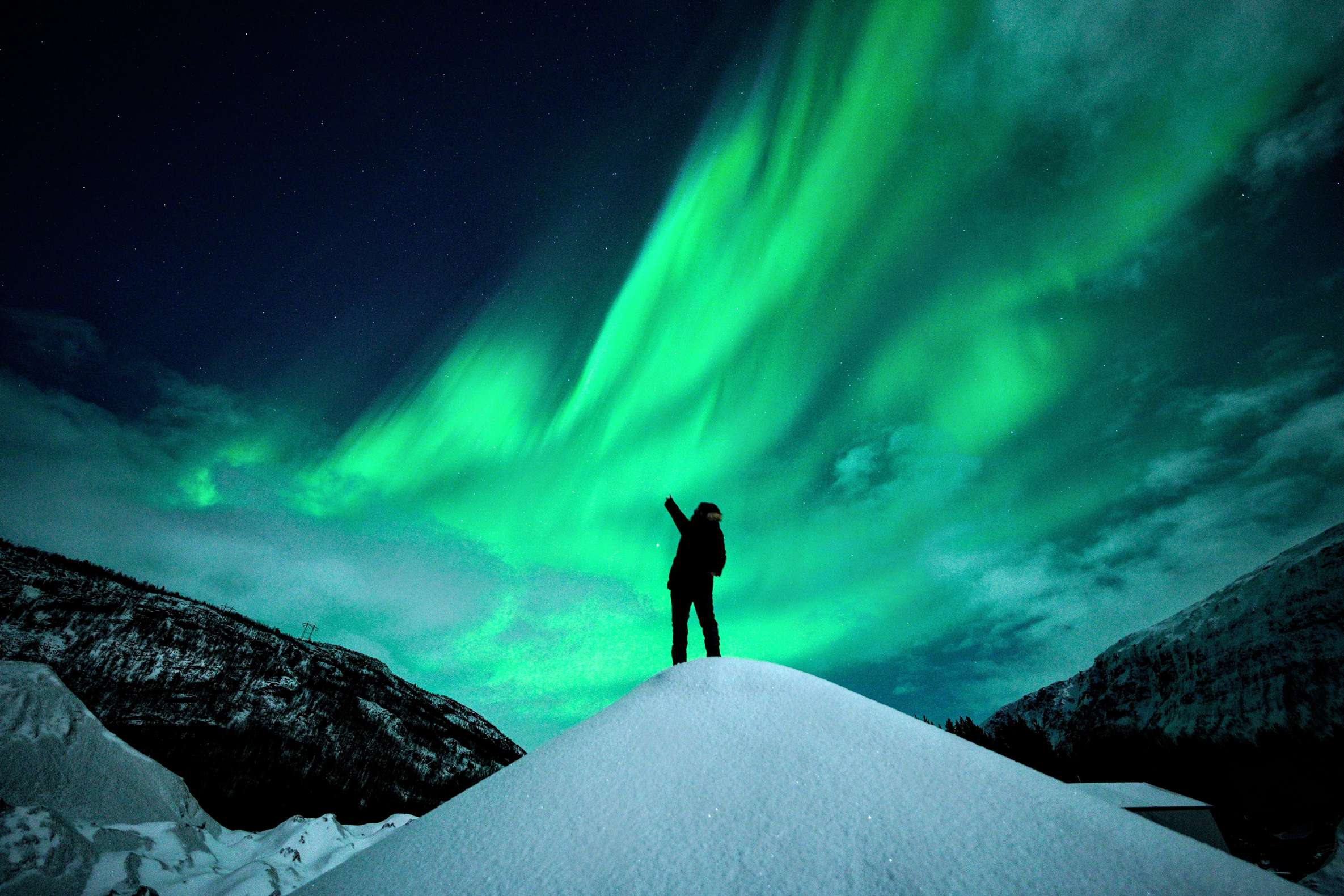
Here is the fact that reorganises the whole planning exercise. Tromsø sits on a wet coast where winter cloud cover runs at about 89 to 90 percent, leaving the town itself only 3 or 4 clear dark nights a month between December and February.
A neighbouring valley behind the Lyngen Alps, two hours inland along the E8, sits in a rain shadow and counts clear nights by the dozen.
That gap is what a chase exists to cross. Guides watch satellite cloud loops, harbour webcams and the university's all-sky cameras before they pick a direction: west to Kvaløya when the fjords catch an offshore break, or inland toward Skibotn and across the Finnish border if that is where the hole sits.
A mobile chase can cover up to 250 km one way.
This is why a February date is not a gamble you take blind. The Tromsø: Northern Lights Chase - We Drive Until We Find Them runs 5 to 8 hours with no limit on distance, a bonfire and hot drinks at the stop, thermal suits for the wait, and photos delivered within 10 hours.
A single cloudy forecast from one app makes people give up on a night that a valley 75 km away would have saved
The best sky of your night may be a two-hour drive from where the clouds sit over town
Chasing distance matters more than any space-weather number
That changes how you plan, too. One cloudy evening in town says almost nothing, because the clear sky may sit two hours west or inland, and the minibus is the vehicle that gets you there.
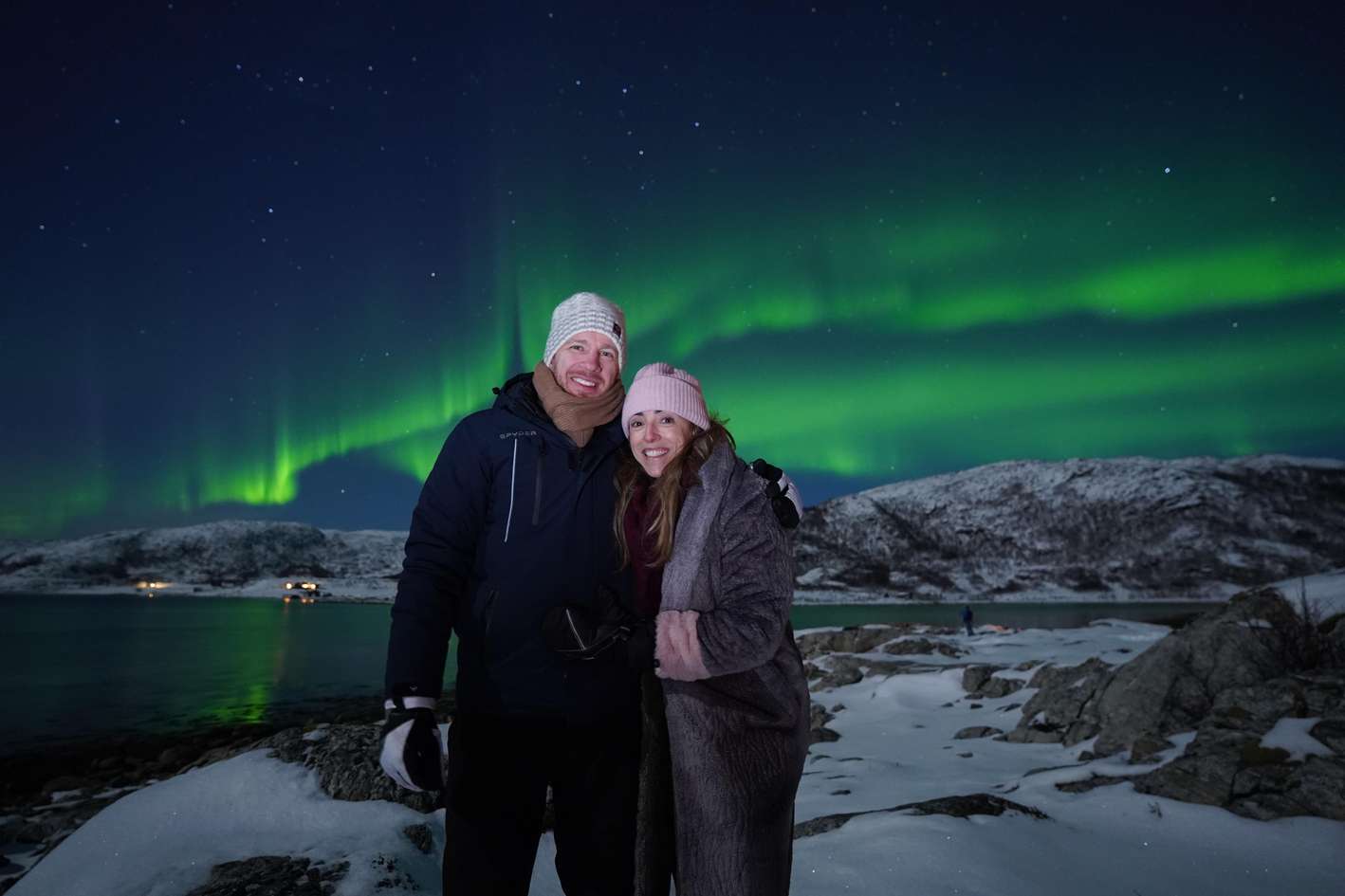
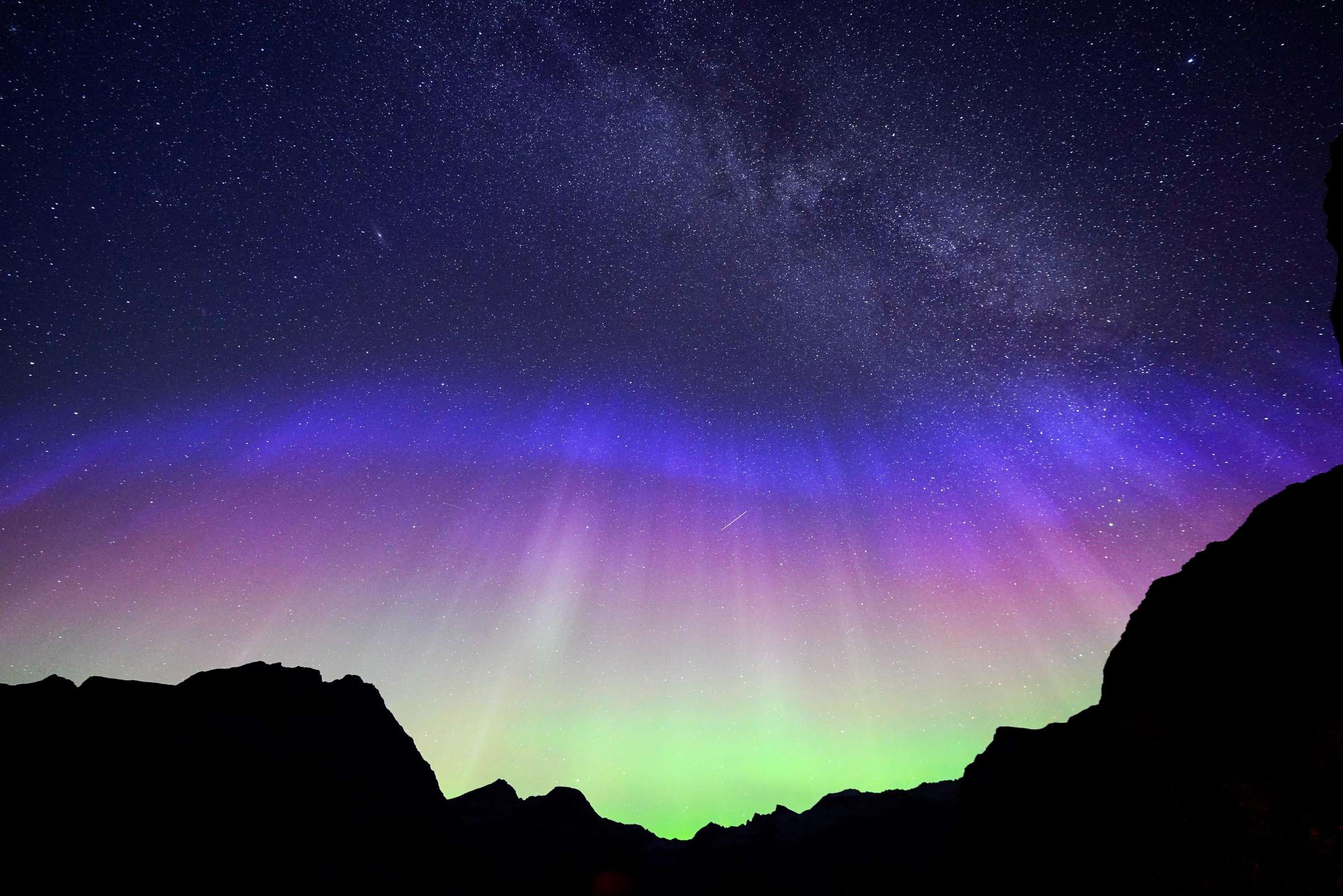
Ask a guide who has run hundreds of nights which month they would send a first-timer to, and most land here. February delivers about 12 hours of full darkness plus 7.4 hours of daylight.
March runs 7.6 to 7.9 full dark hours by the equinox, while early March can still hold up to 12; the daylight grows fast through the month.
The shorter figures count darkness on a mid-March evening, the longer ones an early-month night, so the month slides from polar-night depth toward spring. Either way, you chase at night and still see the mountains you are standing under.
The snow is settled by then too, so daytime dog sledding and fjord cruising run on full winter conditions, and the drives inland stay ploughed and open. March adds one more quiet advantage: geomagnetic activity ticks upward around the spring equinox, and the region logs up to 14.7 clear dark nights within chase range.
The trade-off is popularity. December through March are the busiest months for guided tours, and February bookings fill furthest ahead. The aurora odds barely change between these months and the polar night; what you are choosing is how much of your trip the daylight belongs to.
If you want a full Arctic day, winter lights and a warm fire at a wilderness stop all in one visit, this is the window.
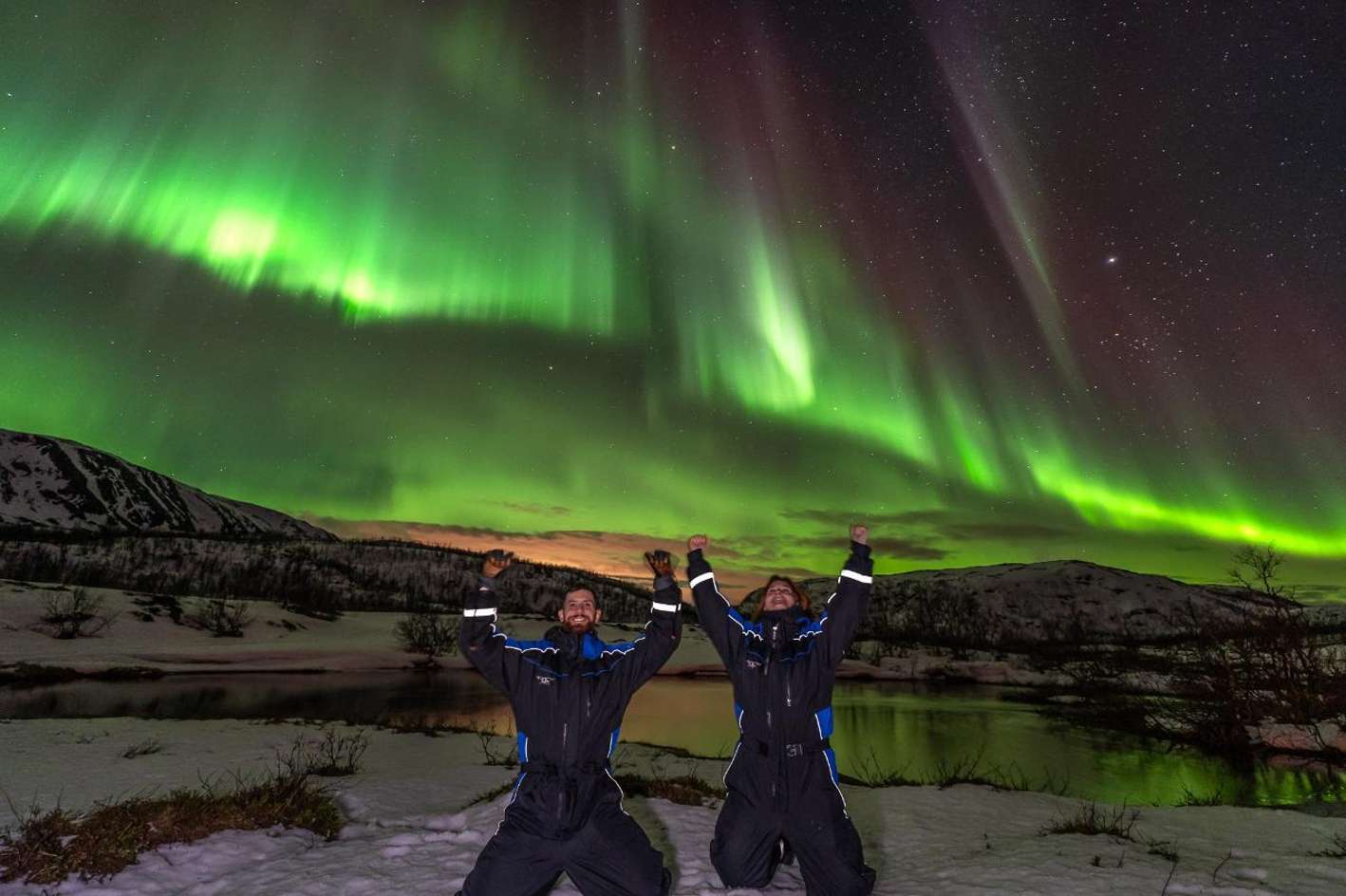
If huskies or snowmobiles share your itinerary, the calendar narrows. Stable snowpack that carries a sled reliably sets in around mid-December and holds through late March or early April, with the most dependable depth from January to mid-March.
In the Tamok Valley, the mountain basin most wilderness camps use, snowmobile safaris run at full depth from January to mid-March within a season stretching mid-December to early April.
October and November trips should expect none of this. The fjords are open, the reflections over water are lovely, but a booked dog sledding evening may run on wheeled carts when the trail lacks snow, and carts only roll when the air is cold enough for the dogs.
So the rule is simple: aurora alone can start in September, aurora plus sleds starts at midwinter. If both belong on your list, aim for January, February or March and let the snow pick the dates for you.
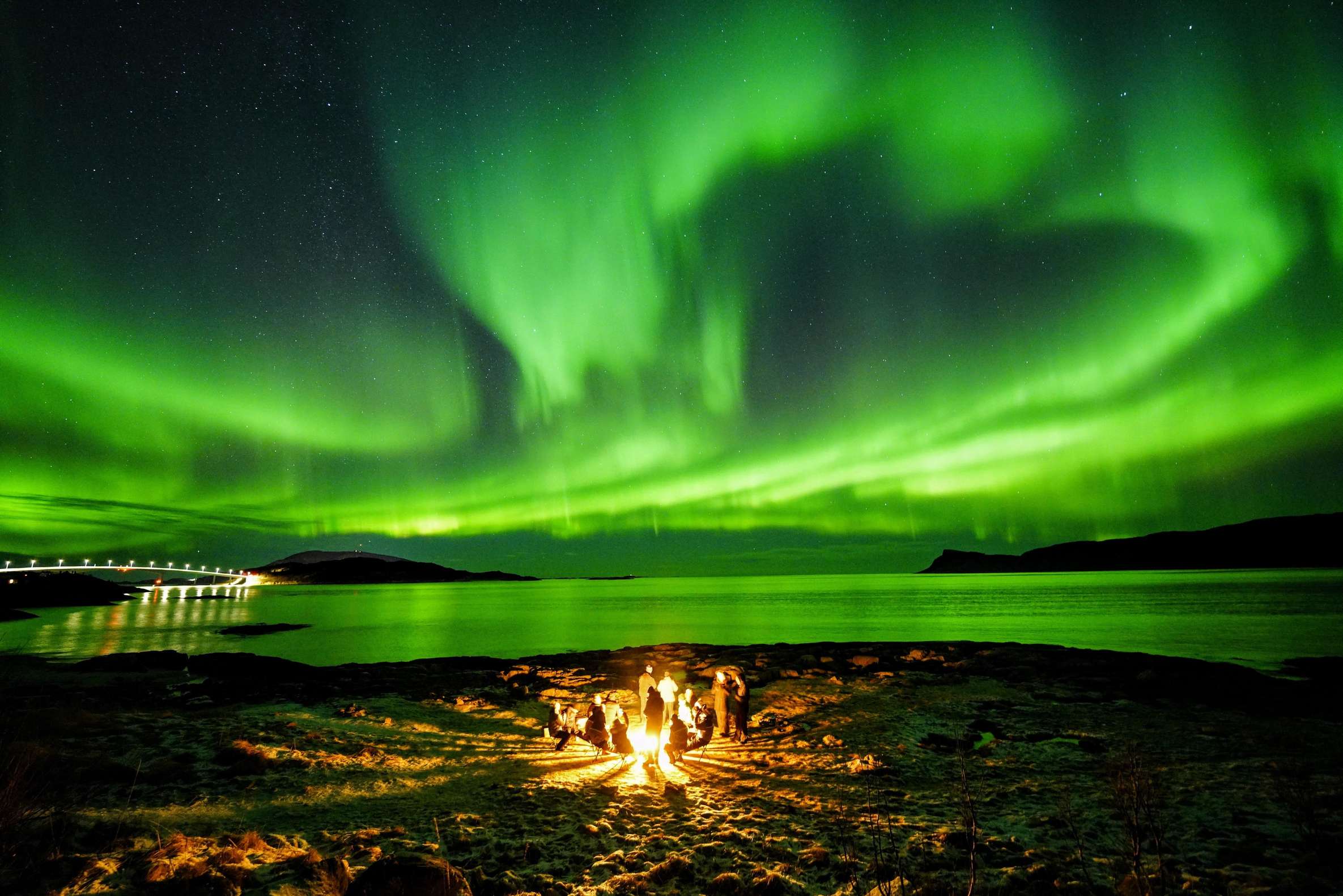
Three beliefs unravel the moment you look at the numbers. First, midwinter darkness does not mean stronger aurora. Activity over Tromsø peaks around the September and March equinoxes, when Earth's tilted magnetic field lines up more favourably with the solar wind, and it runs high through the declining years after a solar maximum.
Second, a high Kp forecast guarantees nothing, because the Kp index says nothing about clouds. Tromsø sits directly beneath the auroral oval, so even a Kp of 1 paints a low glow on the northern horizon and a Kp of 3 brings the display overhead. A thick cloud deck blocks all of it.
Third, the full moon. Strong displays stay clearly visible during a full moon, and moonlight lights the snowy mountains for the photographers' foreground.
Geomagnetic activity spikes around the September and March equinoxes; midwinter offers no statistical edge
A cloud deck blocks the aurora completely, whatever the space weather says
Strong displays stay clearly visible, and moonlit snow improves the photographs
The practical reading: pick your month for darkness, snow and daylight, and let the guides worry about space weather on the night.

The sell-out clock runs faster than most visitors expect. Tromsø hotels sell out fastest in December, needing bookings 3 to 4 months ahead, and 6 months ahead for Christmas and New Year week.
February is little kinder, with mid-tier rooms gone 2 to 3 months out and tours and hotels filling up to six months in advance for the season's peak.
Tours follow the same curve. Small-group minibus chases in December and January typically sell out 2 to 4 weeks ahead, holiday-week departures 4 to 8 weeks ahead, and the busiest peak dates can be gone 10 to 12 weeks out. Rental cars for December through February also disappear weeks in advance.
Peak December and February tours and mid-tier hotels sell out weeks or months ahead, some peak dates up to 10 to 12 weeks out Fix your dates first, then book the chase and the room in the same sitting Waiting until arrival to book leaves queues at the tourist office and sold-out minibuses Reserve ahead and use free cancellation windows to shuffle nights once you see the weather
The practical order: flights, hotel, chase, in that sequence, the day your dates firm up. The 24-hour cancellation terms on most chases let you book early and still change plans.
Aurora chasing is a numbers game played against cloud, and the numbers reward longer stays. Four consecutive nights of active chasing give an 85 to 90 percent probability in peak season.
Mobile chases that drive inland for clear skies compress that: three guided nights can reach the same cumulative odds, while watching from a fixed spot through a cloudy spell needs five to seven nights to catch up.
Standalone odds per night tell the same story from the other end. From town, without travelling, the chance drops to around 5 to 10 percent when cloud sits on the coast. A guided chase lifts the nightly odds to roughly 90 to 95 percent because it moves.
Book your first chase for night one or two of the stay. That leaves room to rebook a clearer night if the sky refuses, and lets you cancel later evenings for free once an early display delivers.
The Tromsø: Northern Lights Safari with Expert Guides and Photos takes the hedge further with an Unlimited Option: keep joining tours free until you are photographed under the lights, with a toilet on board for the long drive.
However the month shapes your days, the nights share one architecture. Aurora activity peaks between 11 pm and 2 am, inside a broader active window from about 8 pm onward, so a chase that leaves in the evening is built around the late hours by design.
Standard chases return to central Tromsø between midnight and 2 am. When the clear sky sits deep inland or across the Finnish border, buses arrive back as late as 2:30 to 3 am.
Taxis run around the clock from ranks at Prostneset, Stortorget and the airport, and one harbourfront kitchen serves its full menu until 1:30 am on weeknights.
Inland cold runs several degrees deeper than the coast. A chase can leave the coast at -2°C and find -12°C two hours inland, and valley stops can run 3 to 5 degrees colder than town, down toward -25°C on the coldest nights.
Guides lay out the night's cloud picture before you board
Mountain valleys open the first clear-sky gaps an hour or two out
Campfire, hot drinks and snacks while the guide watches the sky
The strongest displays of the night tend to fire here
Later still when the chase ran as far as Finland
A polar-night departure starts earlier and ends later than a spring one, and a short February night wraps everything an hour sooner. Whichever month you pick, keep the morning after a chase free.
The aurora owns the nights; the days belong to whatever your month allows. One seasonal rule stands out: whale watching runs only from November until late January, timed so the boats reach the fjords during the polar night's midday twilight. If whales share your shortlist, the calendar writes itself.
Around the departure quays, the months matter less. The heated Prostneset terminal stays open daily from 6:30 am to 1:30 am with seating and restrooms beside the main bus berths, and within a short walk the Polar Museum and the Full Steam Seafarers Museum keep their doors open until 6 pm.
For an early dinner before an evening chase, the grill at Vertshuset Skarven fires up at 3:30 pm and the Arctandria seafood dining room at 4 pm on weekdays.
Most of these sit within minutes of where the coaches line up, so a museum afternoon and an unhurried meal slot neatly in front of a 6 or 7-hour chase. Build one indoor day into every winter itinerary regardless of month; it is the recovery your second chase night will need.
Two preparations decide whether a booked trip runs smoothly, and both belong on the checklist before you pay for anything.
The first is a document. Chase routes cross into Finland when the coast clouds over, and travel between Schengen countries requires a valid travel document even though the border itself is rarely staffed.
Every traveler carries a passport or national ID card on these nights; third-country nationals need the passport specifically. Leave it at the hotel and you may stay at the hotel.
The second is the cold. Operators hand out heavy thermal suits on most minibus chases, but the suit is a shell that fits over what you wear.
Merino wool base layers next to the skin, a fleece or wool mid-layer, thick wool socks and insulated boots with room to wiggle the toes carry the hours of standing still that a photo night demands. Cotton next to the skin is the one fabric that fails.
Batteries fail in the same air.
A phone that lasts all day can die within 30 to 45 minutes at -15°C, so spare batteries and power banks ride in an inside pocket near body heat, and a cold camera goes back indoors sealed in a plastic bag so condensation forms on the bag rather than the sensor.
Any dark month from October to March will show you the lights if the sky cooperates, and a mobile chase stretches that promise to nearly every night of the season.
Pick February or March for the balance of daylight and darkness, the polar night for maximum dark hours, September for quiet fjords and clear local skies, and January to mid-March if sleds and snowmobiles share the itinerary.
Then book early for the crowded months and leave three or four nights in town for the odds to work.
sept has the most clear nights in town: 6.7
See how often the aurora shows on clear nights and what your odds look like in each month.
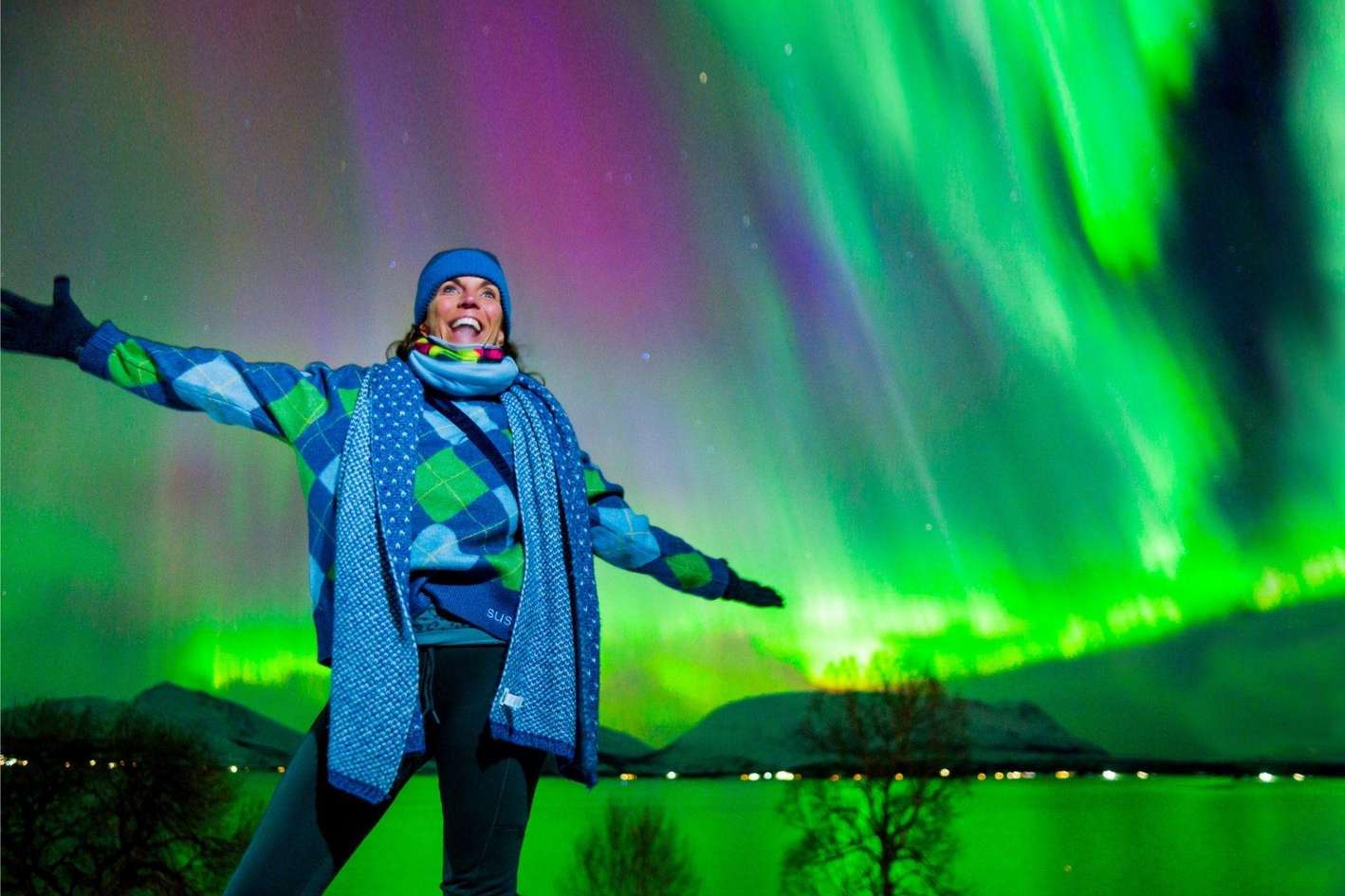
Compare Tromsø with Abisko's microclimate before you fix your dates and book flights.
Once your month is set, find a small minibus chase that fits any week of the season.
Travelling in the busiest months? Big bus tours run all season and cost less.
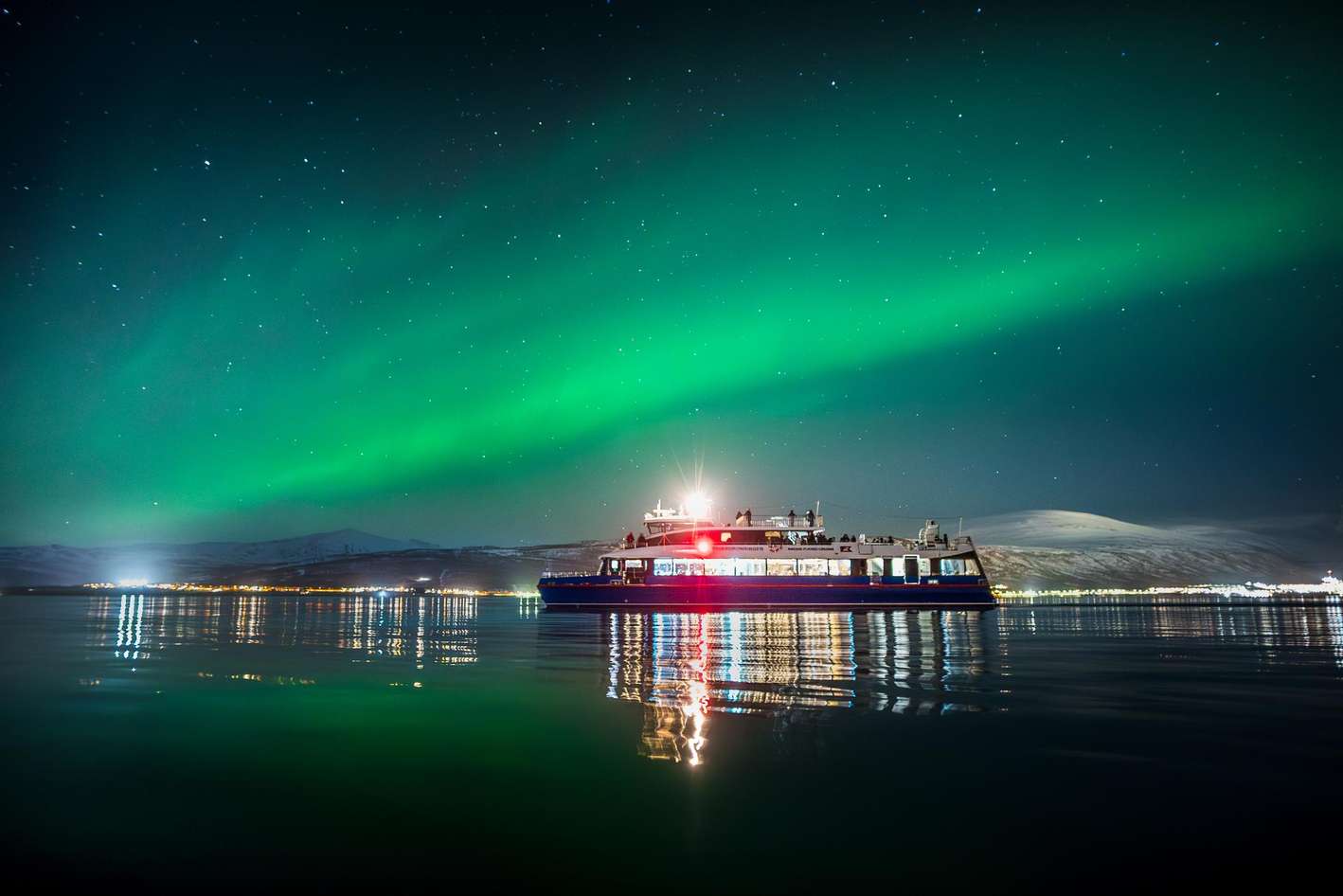
In September, unfrozen fjords can reflect the lights. See which cruises run your dates.
Want your own route through the polar night? Compare private chase options by month.
Worried about a cloudy week? See which tours rebook you free until the lights appear.
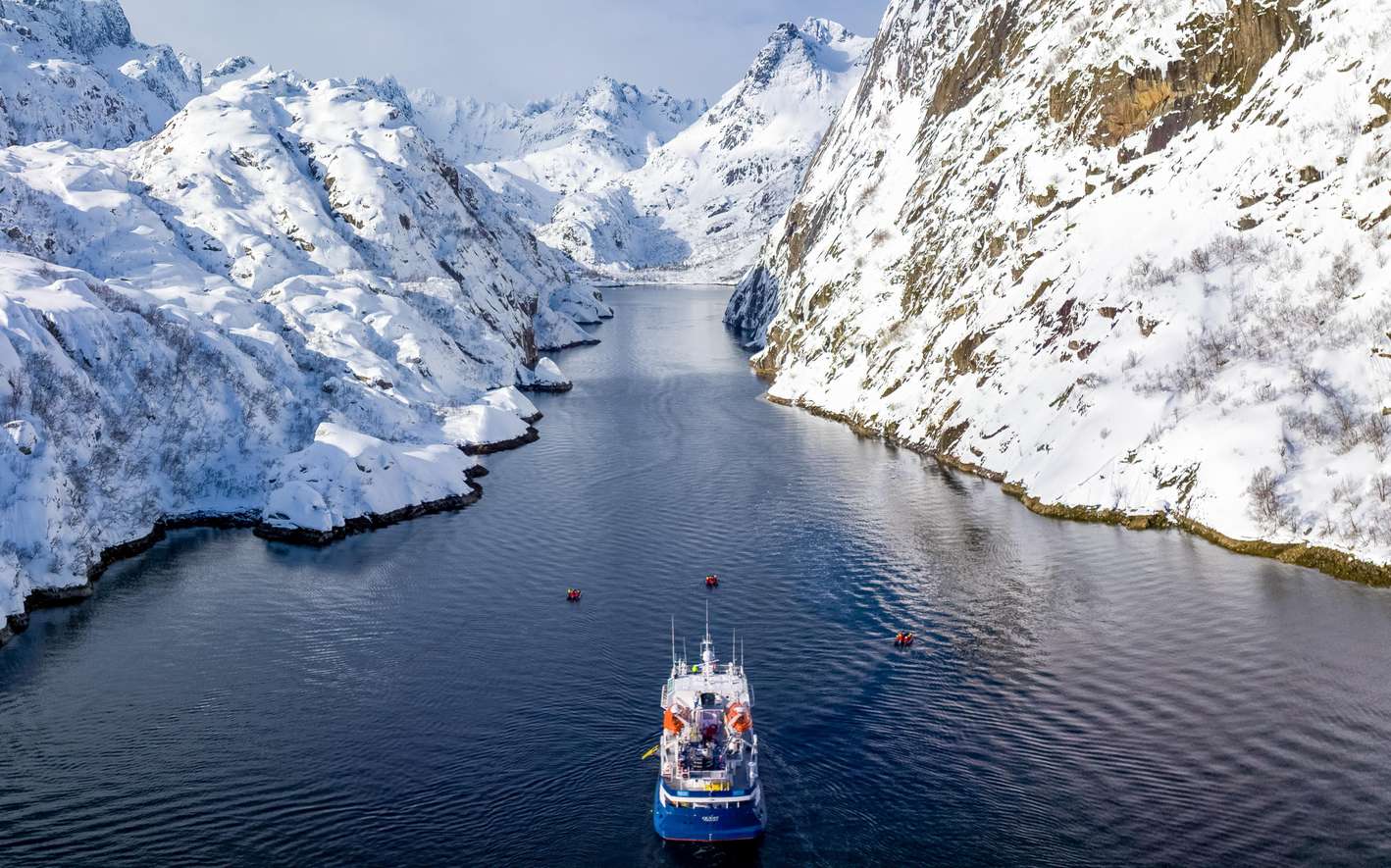
Short trip in peak season? Browse 3-day itineraries built around the dark hours.
equinox months bring a small activity boost
Short answers on season dates, dark hours, snow and clear skies, so you can pick your month with confidence.
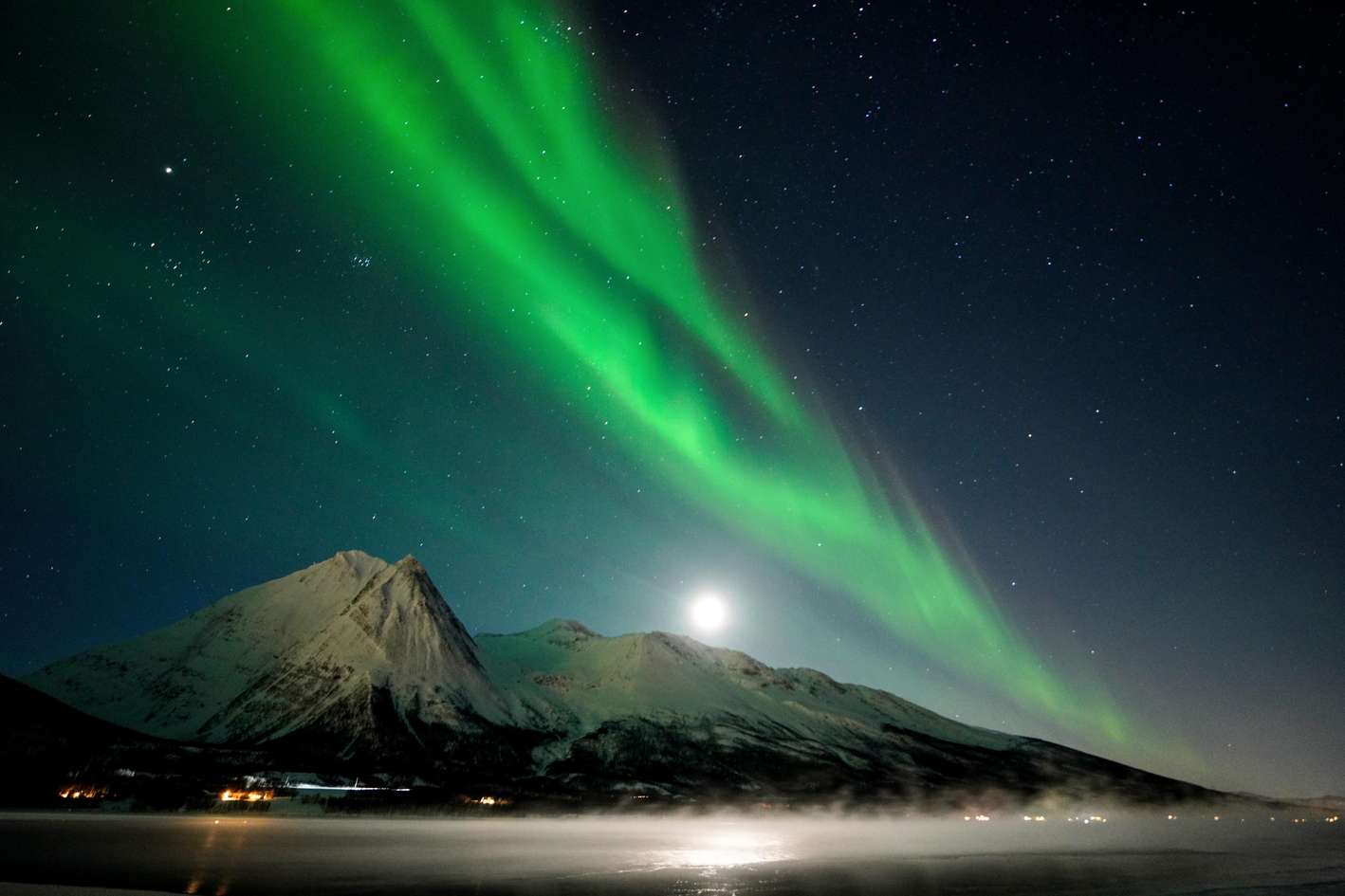 Tromsø2026
The season runs from late August to mid-April, and guided tours operate from 1 September to around 14 or 15 April. There are no fixed official dates because the lights depend on darkness and clear skies rather than the calendar.
December and January give you the most darkness, averaging 16 and 15 hours of full dark per day. The polar night lasts from late November to mid-January, and November still delivers about 14.1 dark hours each day.
February and March offer the most balanced conditions: long dark nights of 8 to 12 hours, reliable snow, and 7 to 12 hours of daylight for dog sledding or fjord trips. March also benefits from a rise in geomagnetic activity around the spring equinox.
In town, September leads with about 6.7 clear dark nights per month, then October with 5.3. Within driving distance of inland valleys and the Finnish border, December averages 16 clear nights and March 14.7, which is why guides chase inland.
The coast averages 89 to 90 percent cloud cover between December and February, leaving only 3 or 4 clear dark nights a month in town.
Inland spots like Skibotn sit in a rain shadow, and chases that drive 2 to 3 hours inland find clear skies on roughly 13 to 16 nights per month all winter.
Yes. These months form the core of the season, with 7.6 to 16 hours of full darkness every night and an average of 13 to 16 clear dark nights each month within chase distance.
Stable snow cover usually sets in around mid-December and holds until late March or early April, with the most dependable conditions from January to mid-March. If you want aurora at night and snow activities by day, aim for that window.
December and most of January limit you to between 0 and 1.8 hours of daylight. From February onward the sun returns, giving 7.4 to 11.7 hours of daylight while the nights stay fully dark for aurora.
Peak activity falls between 11 pm and 2 am, inside a broader window from about 8 pm to 2 am. Most chases are built around exactly those hours.
Four consecutive nights of chasing give an 85 to 90 percent chance in peak season, and mobile tours that drive inland to escape coastal cloud can reach that level within three nights. Book your chase for your first evenings so a cloudy night leaves room to rebook.
free retry tour option in sept and oct
Six hours, free photos, thermal suits and hot chocolate, with free cancellation up to 24 hours before your date.